A guest who wants a nonalcoholic drink should be able to find one, understand what it contains and order it without explaining a personal choice. That takes more than adding “mocktails available” to the bottom of a menu. The option needs a place in the service plan from the first arrival through the end of the event.
For a Wichita company reception, backyard party or family celebration, walk through the bar from that guest’s perspective. What can they see before joining the line? What will they ask for? Where will the drink be prepared? Use those questions to turn a general intention into specific arrangements.
Give the guest a clear first choice
Choose the nonalcoholic selection while deciding the rest of the menu. Discuss the actual products, flavors and preparation with the provider, rather than leaving the decision until someone asks at the bar. A short, confirmed selection is easier to explain than a promise that any cocktail can be changed.
Make the options visible wherever guests first encounter the drinks. If an event page names the signature cocktails, mention the nonalcoholic choices there too. At the venue, a guest should not need to reach the front of a busy line just to learn whether an option exists.
Use neutral language such as “Nonalcoholic choices” and give each drink a recognizable name. Avoid labels that make people feel singled out, such as “for people who can’t drink.” The reason someone chooses a beverage is theirs to keep.
Check what the menu words actually mean
Names like mocktail or zero-proof do not tell a guest everything about the products used. Check bottles and packaged ingredients before approving the description. As a specific example, TTB’s malt-beverage labeling guidance distinguishes non-alcoholic products containing less than 0.5% alcohol by volume from alcohol-free products containing none. That distinction should not be generalized into a rule for every drink category.
For the event menu, describe the confirmed drink and keep product information available for questions. Do not promise 0.0% alcohol based only on a drink name. When a guest needs more detail than the menu provides, the response should be an ingredient check, not a guess about what is suitable for them.
Choose an ordering route that feels ordinary
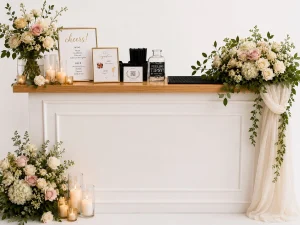
Decide whether these drinks come from the main bar, a separate beverage station or both. Each arrangement needs a clear point of service, someone responsible for replenishment and a plan for cups and waste. A self-serve station still requires attention during the event.
ICT Bartending’s Wichita bartending services page lists a non-alcohol beverage self-serve table as an add-on. Ask what the current option includes, which products would be provided and whether it fits your venue.
If alcoholic and nonalcoholic versions have similar names, agree on a clear way to distinguish orders and finished drinks. Do not rely on guests recognizing the difference by color. The person handing over a drink should confirm which version it is without announcing anything about the guest.
A nonalcoholic service worksheet
Copy these fields into your event notes and complete them with the provider. They are planning prompts, not a statement of package inclusions.
| Decision | Write down |
|---|---|
| Available choices | Confirmed drink names, products and descriptions |
| Where to order | Main bar, separate station or both |
| Guest information | Where choices appear and who answers ingredient questions |
| Service coverage | When drinks are available and who replenishes each station |
| Order identification | How the team distinguishes similar drink versions |
| If something runs out | Approved alternative and who updates the menu |
Rehearse one order before guests arrive
Ask a person who did not design the menu to find and order a nonalcoholic drink. They should be able to identify an option, locate the right service point and understand what happens if they have a product question. Any hesitation reveals something you can clarify before the room fills.
Repeat that check for later in the evening. If the main bar closes before guests leave, confirm which beverages remain available and who handles them. Write the arrangement into the plan rather than assuming another vendor will take over.
When you request an event bartending quote, include your venue, guest count, service window and priorities for nonalcoholic service. A clear request gives the discussion a useful starting point: every guest can see a choice, ask a question and order with confidence.