
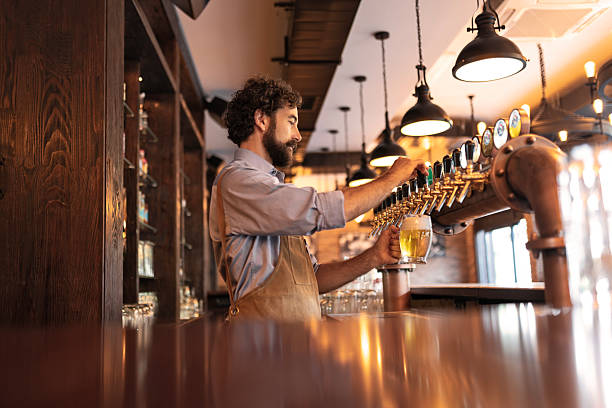
Planning beverage service is an important part of organizing a wedding, corporate gathering, private party, or other special event. While choosing drinks is one consideration, the overall bar service involves much more than the beverage menu. The setup, bartenders, equipment, ice, mixers, serving supplies, guest service, and cleanup can all affect how smoothly the beverage area operates.
Understanding what is included in bar services for events can help hosts compare service options and avoid unexpected responsibilities on the event day. It can also make it easier to determine whether a venue’s existing bar is sufficient or whether a mobile bar and professional bartending team are more appropriate.
ICT Bartending Company provides mobile bartending and bar service options for different types of events. Its website lists services and bar setups for weddings, parties, corporate events, and other occasions. Before choosing a service, event hosts should understand exactly what the provider handles and what the host or venue needs to supply.
What Are Bar Services for Events?
Bar services for events generally refer to the combination of bartending, beverage preparation, bar setup, service supplies, and related tasks provided during an event.
The exact package varies between providers. Some services may only provide bartenders, while others may include a complete mobile bar setup and additional supplies.
Depending on the provider and package, event bar services may include:
- Professional bartenders
- Bar setup and breakdown
- Portable bar equipment
- Ice bins or ice service
- Mixers
- Garnishes
- Cups or glassware
- Bar tools
- Beverage preparation
- Guest service
- Cleanup of the bar area
Hosts should always confirm the details before booking because terms such as “full bar service” can mean different things from one provider to another.
What Should Bar Services for Events Include?
A complete event bar service should address both the practical and service-related aspects of beverage distribution.
1. Professional Bartenders
Bartenders are one of the most important parts of event beverage service. Their responsibilities can include preparing drinks, serving guests, maintaining the bar area, managing supplies, and keeping the service area organized.
The number of bartenders required depends on several factors, including:
- Number of guests
- Type of beverages served
- Event duration
- Bar setup
- Expected drink volume
- Whether cocktails are being prepared
- Number of separate bar stations
A large wedding with a cocktail menu may require more staff than a small gathering with beer and wine only.
Professional bartenders can also help maintain an organized service flow. This can reduce unnecessary waiting and keep the bar area from becoming disorganized during busy periods.
2. Bar Setup and Equipment
The physical bar setup is another important part of event beverage service.
Depending on the provider, a setup may include a portable bar, work surface, ice bins, storage areas, bar tools, and other equipment required for service.
A portable bar can be especially useful when the venue does not have a permanent bar in a convenient location.
For example, ICT Bartending Company offers several bar setup options, including a lighted portable bar and other mobile bar formats. The company’s website describes its lighted portable bar as having customizable lighting and ice bins.
When reviewing a package, ask whether the bar itself is included or whether the host needs to arrange the physical setup separately.
3. Beverage Options
The beverage menu should be established before the event.
Depending on the service arrangement, options may include:
- Beer
- Wine
- Spirits
- Mixed drinks
- Cocktails
- Mocktails
- Non-alcoholic beverages
- Water and soft drinks
Not every bar service provider supplies alcohol. In some arrangements, the host purchases the alcohol while the bartending company supplies the staff and equipment.
This distinction is important because the cost and responsibilities can vary considerably.
Before finalizing the menu, determine who is responsible for purchasing, transporting, storing, and supplying the beverages.
4. Ice and Cooling
Ice is easy to overlook during event planning, but it is essential for many types of beverage service.
Ice may be needed for:
- Chilling beverages
- Serving drinks over ice
- Filling ice bins
- Preparing cocktails
- Keeping certain beverages cold
A service provider may include ice bins or other equipment without necessarily including the ice itself. Hosts should therefore confirm what is included.
For outdoor events, beverage cooling may require additional planning because temperatures can affect how quickly drinks warm up.
5. Glassware and Serving Supplies
Glassware or disposable cups may be required depending on the beverage menu and venue.
Possible serving supplies include:
- Wine glasses
- Cocktail glasses
- Pint glasses
- Plastic cups
- Cocktail napkins
- Straws
- Stirrers
- Garnish picks
Some venues provide glassware as part of their event package. Others require the caterer, host, or bar service provider to supply it.
It is useful to establish responsibility for these supplies before the event rather than discovering a shortage during service.
6. Mixers and Garnishes
Cocktail service usually requires more than alcohol.
Common mixers can include:
- Soda
- Tonic water
- Juice
- Lemonade
- Cola
- Ginger ale
- Sour mix
Garnishes may include lemons, limes, cherries, olives, or other ingredients depending on the menu.
If the event includes signature cocktails, the host should discuss the ingredients with the bartending provider in advance.
A limited cocktail menu can sometimes make preparation and inventory management easier than offering a large number of customized drinks.
7. Guest Service
Bar service is not only about preparing drinks. It also involves how guests interact with the beverage area.
An organized service should provide a clear process for ordering and receiving beverages.
Factors that influence guest service include:
- Number of bartenders
- Number of bar stations
- Guest count
- Menu complexity
- Event schedule
- Bar location
For larger events, multiple service points may be considered to reduce crowding.
The bar should also be positioned where guests can reach it easily without blocking entrances, dining areas, stages, or major walkways.
8. Cleanup and Breakdown
Cleanup responsibilities should be clearly defined before the event.
Depending on the agreement, bar staff may be responsible for keeping the immediate bar area organized and handling certain service-related cleanup tasks.
However, this does not always mean the provider is responsible for all venue cleanup.
Ask whether the service includes:
- Removing empty bottles
- Clearing bar-related waste
- Cleaning the service counter
- Packing bar equipment
- Breaking down the portable bar
- Removing supplies
- Cleaning glassware
The venue may have separate requirements for waste disposal and final cleanup.
Types of Bar Services for Events
There are several ways beverage service can be structured. The right option depends on the host’s preferences, guest list, event format, and budget.
Open Bar
With an open bar, guests generally do not pay individually for their drinks. The host or event organizer covers the agreed service and beverage costs.
An open bar can provide a straightforward guest experience because attendees do not need to make individual payments.
However, hosts should clarify exactly what beverages are included and whether there are limits on specific brands or drink types.
Limited Open Bar
A limited open bar provides a defined selection of beverages.
For example, the host may choose to serve:
- Beer
- Wine
- Selected spirits
- A few signature cocktails
- Non-alcoholic drinks
This approach can simplify inventory planning while still giving guests multiple choices.
Cash Bar
With a cash bar, guests pay for their own beverages.
This arrangement can change the equipment and staffing requirements because the bar needs an appropriate payment process.
If a cash bar is being considered, confirm whether the provider accepts cash, cards, or other payment methods and whether transaction fees apply.
Consumption-Based Service
Some event arrangements may be based on the amount of alcohol or beverages consumed.
This type of service requires clear record keeping and agreement on how consumption is measured and billed.
The contract should explain the pricing structure, included items, and any additional charges.
What Is Usually Included in a Mobile Bar Service?
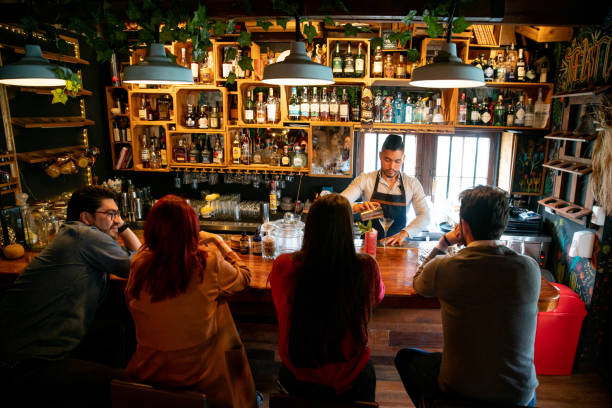
A mobile bar service is designed to bring beverage service to a venue rather than relying entirely on a permanent bar.
The exact package varies, but mobile bar services may include:
| Service Element | What It May Include |
|---|---|
| Bartenders | Drink preparation, serving, and bar management |
| Portable bar | Temporary bar structure for the event |
| Bar equipment | Tools and service equipment |
| Ice storage | Ice bins or similar storage |
| Mixers | Ingredients used for selected cocktails |
| Garnishes | Ingredients used to finish drinks |
| Glassware | Glasses or disposable serving cups |
| Setup | Positioning and preparing the bar |
| Breakdown | Removing the temporary bar setup |
| Cleanup | Service-area cleanup, depending on agreement |
Do not assume every package includes all of these elements. Confirm each item with the provider before signing an agreement.
How Many Bartenders Does an Event Need?
There is no single staffing number that works for every event.
A small event with beer and wine may require fewer bartenders than a large wedding offering multiple cocktails.
The following factors should be considered:
Guest Count
More guests generally mean more demand at the bar.
Beverage Menu
Beer and wine usually require less preparation than cocktails that need multiple ingredients and garnishes.
Event Duration
A longer event can create sustained demand for beverage service.
Number of Bars
If an event has more than one bar station, staffing may need to increase accordingly.
Service Style
A self-service beverage station and a full-service cocktail bar have different staffing requirements.
The best approach is to discuss the guest count, menu, venue layout, and service period with the bar provider before determining staffing.
How to Choose the Right Bar Service
Choosing bar services for events should begin with the event’s actual requirements rather than simply selecting the largest package available.
Consider the Guest Count
Estimate the number of attendees as accurately as possible. This helps determine staffing, beverage quantities, and the number of service points required.
Review the Beverage Menu
Decide whether guests will receive beer and wine, cocktails, spirits, non-alcoholic drinks, or a combination.
Understand What You Need to Supply
Ask whether you or the service provider will supply alcohol, mixers, ice, glassware, and garnishes.
Check the Venue Rules
Some venues have specific policies concerning outside alcohol, bartenders, insurance, setup, and cleanup.
Review the Contract
The agreement should clearly identify the services, equipment, staffing, pricing, setup responsibilities, and cancellation or change policies.
What to Ask Before Booking Event Bar Services
Before choosing an event bartending provider, ask specific questions rather than relying on general package descriptions.
Consider asking:
- How many bartenders are included?
- Is the portable bar included?
- Who provides the alcohol?
- Are mixers included?
- Is ice included?
- Are cups or glassware included?
- Are garnishes included?
- Does the provider handle setup?
- Does the provider handle breakdown?
- What cleanup is included?
- Does the service include non-alcoholic beverages?
- Are there additional travel or service fees?
- Does the venue have any restrictions?
- How long will bartenders remain at the event?
- What happens if the guest count changes?
Getting clear answers to these questions makes it easier to compare providers and understand the total scope of service.
ICT Bartending Company and Event Bar Services
ICT Bartending Company provides mobile bartending services for different types of events. Its website identifies services for weddings, parties, corporate events, and other special occasions.
The company offers different bar setup options, including a horse trailer bar, white bar, and lighted portable bar. These options can be considered depending on the venue layout and the type of event being planned.
ICT Bartending Company also lists different service formats, including open bar, limited open bar, and cash bar options. These arrangements provide different approaches to managing beverage service and guest purchases.
For hosts considering event bartending services, it is useful to discuss the guest count, venue, event duration, beverage menu, preferred bar setup, and responsibilities for alcohol and supplies.
Rather than assuming a package includes every component, event organizers should confirm the exact service details with ICT Bartending Company before making arrangements.
Conclusion
Choosing the right bar services for events requires more than deciding what drinks will be served. Hosts should consider bartending staff, bar equipment, beverage responsibilities, ice, mixers, garnishes, glassware, guest flow, setup, breakdown, and cleanup.
The best service arrangement depends on the size and type of event. A small private gathering may need a simple beverage setup, while a large wedding or corporate event may require multiple bartenders, a larger bar area, and a more detailed beverage plan.
Before booking a provider, review the service agreement carefully and confirm which items are included and which responsibilities remain with the host or venue.
Frequently Asked Questions
What should bar services for events include?
Bar services for events may include professional bartenders, bar equipment, a portable bar, beverage preparation, ice storage, mixers, garnishes, serving supplies, setup, breakdown, and some cleanup. The exact inclusions depend on the provider and package.
Does a mobile bar service provide alcohol?
Not always. Some mobile bartending providers supply the service and equipment while the host purchases the alcohol. Other packages may have different arrangements. Always confirm who supplies the beverages.
How many bartenders are needed for an event?
The number depends on guest count, beverage selection, event duration, service style, and the number of bar stations. Cocktail-heavy events may require more staff than events serving primarily beer and wine.
What is the difference between an open bar and a cash bar?
With an open bar, the host generally covers the agreed beverage service costs and guests do not pay individually. At a cash bar, guests purchase their own drinks.
Are mixers included in event bar services?
Mixers may be included in some packages but not others. Hosts should confirm whether mixers such as soda, tonic water, and juices are supplied.
Is ice included with a mobile bar?
Some services include ice bins or other ice-storage equipment, while the ice itself may be handled separately. Confirm the arrangement before the event.
Can a portable bar be used at an outdoor event?
Yes, a portable bar can be suitable for outdoor events when the venue allows the setup. Organizers should consider weather, electricity, ground conditions, access, cooling, and venue requirements.
Does ICT Bartending Company provide different bar options?
Yes. ICT Bartending Company lists multiple mobile bar options, including a horse trailer bar, white bar, and lighted portable bar. The appropriate option depends on the event and venue requirements.