
Planning the drinks for a wedding involves more than choosing beer, wine, and cocktails. The bar also needs the right glassware, ice, mixers, garnishes, tools, storage, and non-alcoholic beverages. Without a clear plan, it is easy to run short of essential items or purchase supplies that will not be used.
A wedding bar supplies checklist helps couples, planners, caterers, and venues organize everything needed before guests arrive. The right quantities depend on several factors, including the number of guests, event duration, type of bar service, drink menu, venue rules, and whether professional bartenders are handling the service.
Use this guide to list the supplies your wedding bar needs and confirm their quantities, who provides them and when they will arrive. Guest count helps define the scale of the plan; the menu, service hours and venue determine the final list.
Why a Wedding Bar Supplies Checklist Matters
The number of wedding guests is one of the most important factors when planning a bar. A setup designed for 40 people will not work the same way for 150 guests.
Guest count affects the amount of alcohol, mixers, ice, glassware, cups, garnishes, and other supplies required. Event length also matters. A two-hour reception generally requires a different inventory than a six-hour celebration.
The type of bar service should also be decided before purchasing supplies. A full open bar may require several spirits, beers, wines, mixers, and cocktail ingredients. A beer-and-wine bar has fewer requirements, while a signature cocktail station may need specific ingredients and specialized glassware.
A checklist makes it easier to separate essential supplies from optional additions and gives everyone involved in the wedding a clear reference point.
Essential Wedding Bar Supplies
A complete wedding bar setup generally includes several categories of supplies. The exact quantities will vary, but the categories remain relatively consistent. For explanations of glassware, tools and workstation equipment, see our guide to essential bar supplies for wedding receptions.
Alcohol and Beverage Selection
The beverage menu should match the type of bar being offered. Common options include:
- Vodka
- Gin
- Rum
- Tequila
- Whiskey
- Beer
- Red and white wine
- Sparkling wine or champagne
- Signature cocktails
- Non-alcoholic beverages
For a limited bar, couples may choose beer, wine, and one or two cocktails instead of providing a complete selection of spirits.
The guest profile should also be considered. If many guests prefer wine, additional wine inventory may make more sense than purchasing a large variety of spirits.
Mixers and Non-Alcoholic Beverages
Mixers are essential for cocktails and should be planned alongside the alcohol selection.
Common wedding bar supplies in this category include:
- Tonic water
- Soda water
- Cola
- Lemon-lime soda
- Ginger beer
- Orange juice
- Cranberry juice
- Pineapple juice
- Lemonade
- Simple syrup
- Still water
- Sparkling water
Water deserves special attention because it is needed regardless of whether guests are drinking alcohol. Providing easily accessible water can also reduce congestion at the main bar.
Ice
Ice is one of the easiest wedding bar supplies to underestimate.
The bar may require different types of ice for chilling bottles, filling glasses, and preparing cocktails. A professional bartender can also help determine the practical requirements based on the drink menu and service format.
Ice should be stored in clean, insulated containers or designated ice bins. It should not be placed where it can become contaminated by food, waste, or used utensils.
Glassware and Drinkware
The appropriate drinkware depends on the menu. Common options include:
- Wine glasses
- Pint or beer glasses
- Rocks glasses
- Highball glasses
- Champagne flutes
- Cocktail glasses
- Water glasses
- Disposable cups, if permitted and appropriate
If the venue or caterer is providing glassware, confirm exactly what is included before purchasing or renting additional items.
For outdoor weddings, couples may also need to consider whether glass is permitted at the venue. In some locations, reusable plastic or other approved alternatives may be required.
Garnishes
Garnishes add both flavor and presentation to drinks. They should be selected according to the cocktail menu rather than purchased in large quantities without a plan.
Common garnishes include:
- Lemons
- Limes
- Oranges
- Maraschino cherries
- Olives
- Fresh mint
- Rosemary
- Cucumber
- Seasonal fruit
Garnishes should be prepared as close to service as practical and stored appropriately to maintain freshness.
Bartending Tools and Equipment
A functioning bar requires more than beverages and cups. Depending on the service arrangement, essential equipment may include:
- Cocktail shakers
- Jiggers
- Strainers
- Bar spoons
- Bottle openers
- Corkscrews
- Pour spouts
- Ice scoops
- Tongs
- Cutting boards
- Bar knives
- Cocktail picks
- Napkins
- Cocktail stirrers
- Speed rails
- Waste containers
- Towels
- Storage containers
A professional bartending service may provide some or all of these items, so couples should confirm responsibilities before purchasing equipment.
Wedding Bar Supplies by Guest Count
There is no single supply quantity that works for every wedding. However, guest count provides a useful starting point for planning the scale of the bar.
| Guest Count | Recommended Bar Approach | Key Wedding Bar Supplies |
|---|---|---|
| 25 to 50 | Simple or limited bar | Basic spirits, beer, wine, mixers, ice, glassware, garnishes |
| 50 to 100 | Standard wedding bar | Expanded beverage selection, additional ice, drinkware, mixers, tools |
| 100 to 150 | Larger bar setup | Increased inventory, multiple service areas, additional glassware and equipment |
| 150+ | Scalable professional setup | Multiple service points, substantial beverage stock, ice, drinkware and staffing |
These ranges are planning categories rather than fixed purchasing formulas. Actual requirements should account for event length, drinking patterns, menu size, and the service model.
Weddings With 25 to 50 Guests
Smaller weddings can usually operate with a compact bar setup. A limited selection of beer, wine, and one or two cocktails can reduce the number of supplies required.
For this guest count, organization is especially important because a large bar menu may create unnecessary waste. A small selection of well-planned drinks can provide variety without requiring dozens of ingredients.
Weddings With 50 to 100 Guests
At this size, the bar generally needs a more structured setup. More glassware, ice, mixers, beverages, and backup supplies may be required.
Couples should also consider how guests will move through the bar area. A clearly organized station can help reduce waiting and prevent the bartender from repeatedly searching for supplies.
Weddings With 100 to 150 Guests
Once the guest count reaches 100 or more, bar efficiency becomes increasingly important. A single service point may create longer lines depending on the venue and menu.
Additional service areas or bartenders may be appropriate. The bar should also have sufficient storage for beverages, ice, glassware, garnishes, and backup supplies.
Weddings With 150+ Guests
Large weddings require a scalable approach. Instead of simply increasing the amount of inventory at one bar, planners should think about the entire service flow.
Multiple bars or service points may help distribute guests. Larger events may also require additional bartenders, barbacks, storage containers, refrigeration, and waste-management arrangements.
The venue layout should be considered when deciding where the bar will be positioned.
Wedding Bar Supplies by Service Type
The right supplies depend heavily on the type of bar being offered.
Full Open Bar
A full open bar typically offers a broad selection of alcoholic beverages. Supplies may include several spirits, beer, wine, mixers, cocktail ingredients, garnishes, ice, glassware, and bartending equipment.
A larger menu can provide more choices but also increases the number of ingredients that need to be stocked and managed.
Limited Open Bar
A limited open bar may include selected beer, wine, spirits, or cocktails.
This approach can simplify inventory while still providing guests with several options. For example, a couple may offer wine, beer, and two signature cocktails.
The advantage from a planning perspective is that fewer ingredients and tools may be necessary.
Cash Bar
A cash bar requires the same basic beverage and equipment planning as other bar formats, but payment handling must also be considered.
Before the event, determine who will manage payments, what payment methods are accepted, and how the venue’s policies affect the arrangement.
Clear signage can help guests understand which beverages are available and how payment works.
Signature Cocktail Bar
Signature cocktails can simplify a wedding bar when the couple wants drinks that reflect the event without offering a large cocktail menu.
For each signature drink, plan for:
- Base spirit
- Mixers
- Fresh ingredients
- Garnishes
- Appropriate glassware
- Ice
- Straws or stirrers
- Serving instructions
Limiting the menu to a small number of cocktails can make preparation and service more manageable.
How to Plan Non-Alcoholic Wedding Bar Supplies
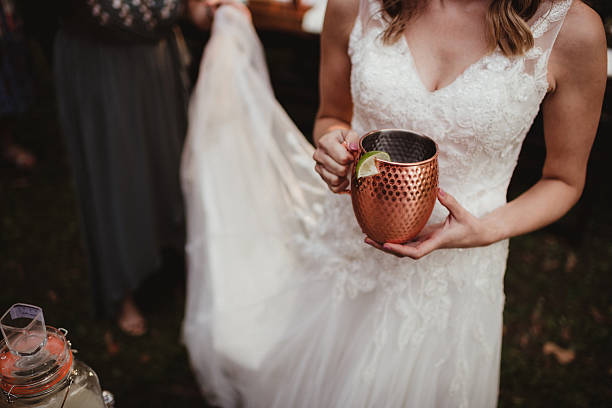
A wedding bar should not focus exclusively on alcoholic beverages. Guests may choose not to drink for many reasons, and designated drivers also need appealing options.
A non-alcoholic selection can include:
- Bottled or filtered water
- Sparkling water
- Lemonade
- Iced tea
- Soda
- Fruit juice
- Mocktails
- Alcohol-free beer or sparkling beverages
Consider placing water and non-alcoholic drinks where guests can access them without waiting at the main cocktail station.
For weddings with children, a separate beverage station can also help keep the main bar area less crowded.
Common Wedding Bar Supply Mistakes
Even well-planned weddings can experience bar-related problems. Several mistakes are particularly common.
Underestimating the Guest Count
Purchasing supplies before confirming the final guest list can lead to inaccurate quantities. Use the most reliable guest count available and update the plan as RSVPs change.
Offering Too Many Cocktails
A large cocktail menu may sound appealing, but every additional drink requires its own ingredients, preparation, equipment, and storage.
Two or three carefully selected cocktails may be easier to manage than a long menu.
Forgetting Ice
Ice is essential for both drinks and chilling beverages. It should be treated as a core supply rather than an afterthought.
Ignoring Non-Alcoholic Drinks
Water and other non-alcoholic options should be included from the beginning of the planning process.
Forgetting Venue Restrictions
Some venues have specific rules concerning alcohol, glassware, outside beverages, food preparation, refrigeration, and waste disposal.
Always confirm these requirements before finalizing the shopping or rental list.
Not Planning for Cleanup
The bar produces empty bottles, used napkins, fruit scraps, cups, and other waste. Make sure suitable bins and cleanup procedures are available.
How a Mobile Bartending Service Can Help
A mobile bartending service can simplify the operational side of wedding bar planning. Instead of the couple coordinating every piece of equipment independently, a professional service can help organize bartending, bar setup, and beverage service according to the event requirements.
ICT Bartending Company provides mobile bartending services for weddings and other events in the Wichita, Kansas area. Its website lists options including horse trailer bars, lighted portable bars, and white bars, along with open bar, limited open bar, and cash bar formats.
The company also lists bar equipment and service options that can affect the overall wedding bar setup, including portable bars with ice bins and beverage service packages.
For couples considering professional bartending, it is useful to ask several questions before making arrangements:
- What equipment is included?
- Who provides the alcohol?
- Are mixers included?
- Are ice and garnishes included?
- What type of glassware is available?
- How many bartenders will be provided?
- What is the recommended setup for the guest count?
- How long does bar service last?
- Who handles setup and cleanup?
- Are there minimum guest requirements?
ICT Bartending Company specifically lists different bar service formats and mobile bar options, making it important for couples to compare the selected service with their guest count and wedding format.
Conclusion
A well-organized wedding bar starts with more than a beverage shopping list. Couples need to consider guest count, event duration, drink preferences, bar style, venue requirements, ice, glassware, mixers, garnishes, equipment, and non-alcoholic choices.
Using a wedding bar supplies checklist makes it easier to identify what is needed before the event and determine which responsibilities belong to the couple, venue, caterer, or bartending service.
For larger weddings, professional bartending can also help simplify the setup and service process. If you are planning a wedding in the Wichita area and need help understanding your bar service options, you can contact us at ICT Bartending Company to discuss the requirements for your event and guest count.
Frequently Asked Questions
What supplies do I need for a wedding bar?
Basic wedding bar supplies include alcoholic beverages, mixers, water, ice, glassware or cups, garnishes, napkins, straws or stirrers, bartending tools, storage containers, and waste bins. The exact list depends on the menu and type of bar service.
How much ice do I need for a wedding?
The amount of ice depends on the guest count, event duration, drink menu, weather, and whether ice is also being used to chill beverages. Instead of relying on one fixed quantity, plan ice requirements according to the complete bar setup.
How many bartenders are needed for a wedding?
The appropriate number depends on guest count, bar menu, service style, and how many service points are available. A larger guest list or cocktail-heavy menu generally requires more service capacity than a small beer-and-wine station.
What drinks should I include at a wedding bar?
A practical wedding bar may include beer, red and white wine, a selection of spirits, mixers, water, soft drinks, and one or two signature cocktails. The final menu should reflect the guest preferences, event style, and available budget.
Do I need a separate non-alcoholic drink station?
A separate station is not always necessary, but it can make service more convenient. Water, soda, lemonade, iced tea, and mocktails can be placed away from the main alcohol bar to give guests additional options.
Should I provide glassware or disposable cups?
That depends on the venue, catering arrangement, wedding style, and budget. Confirm whether the venue or caterer already provides glassware before renting or purchasing additional drinkware.
Can a mobile bartending company provide bar equipment?
Some mobile bartending companies provide bars and related equipment as part of their services. For example, ICT Bartending Company lists portable bar options and other bar setups on its website. Couples should confirm exactly what is included in their selected service before the event.