Wedding bar supplies serve different jobs: storing and chilling drinks, measuring and mixing ingredients, serving guests and keeping the workstation organized. This guide explains what common equipment does and how to arrange it around your reception menu and service plan.
Whether the reception is an intimate gathering or a large celebration, the bar should be planned around the number of guests, drink menu, service style, venue layout, and expected duration. A well-organized bar also needs equipment for preparation, storage, serving, and cleanup.
For couples planning a wedding in Wichita or the surrounding area, understanding what goes into a complete bar setup can make conversations with a bartending provider much easier. ICT Bartending Company provides mobile bar and bartending services for weddings and other events, with options that include portable bars, a horse trailer bar, open bars, limited open bars, and cash bar arrangements.
What Bar Supplies Are Needed for a Wedding?
The exact supplies depend on the drinks being served and the type of bar selected. However, most wedding receptions need supplies from several basic categories:
- Bar structure or serving station
- Ice and ice storage
- Glassware or disposable drinkware
- Cocktail preparation tools
- Bottle openers and corkscrews
- Mixers and juices
- Garnishes
- Cocktail napkins
- Straws and stirrers
- Water and other non-alcoholic beverages
- Coolers or refrigeration
- Waste and recycling containers
- Cleaning and sanitizing supplies
A wedding bar should be treated as a small working station rather than simply a table where drinks are placed. Bartenders need enough room to store beverages, prepare cocktails, access ice, wash or replace equipment, and serve guests.
Essential Wedding Bar Equipment
Portable or Fixed Bar
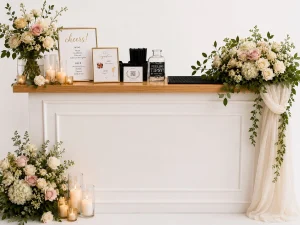
The physical bar is one of the first things to consider. A venue may already have a permanent bar, but outdoor receptions, barns, private properties, and other event spaces often require a portable setup.
A suitable bar should provide enough counter space for bartenders while keeping bottles, tools, and ice organized. The layout should also allow guests to approach and leave the bar without creating congestion.
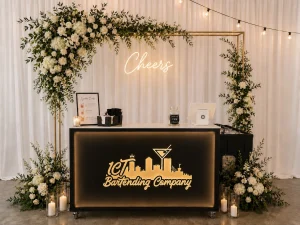
Mobile bartending providers may bring their own bar structures. For example, ICT Bartending Company lists horse trailer bars, lighted portable bars, and white bars among its service options.
Ice Bins and Coolers
Ice is one of the most important bar supplies for wedding receptions. It is used for chilling beverages, serving drinks over ice, and preparing cocktails.
A wedding bar may need separate areas for:
- Beverage-chilling ice
- Ice used directly in drinks
- Backup ice
- Refrigerated beverages
- Bottled water and soft drinks
Keeping drink ice separate from ice used to chill bottles can also help maintain better hygiene and organization.
Speed Rails and Bottle Organizers
A speed rail allows bartenders to keep frequently used bottles within easy reach. Bottle organizers can also prevent the workstation from becoming cluttered.
The number of bottles kept at the front of the bar should reflect the menu. If only a few cocktails are being served, there is no need to crowd the workstation with every available spirit.
Glassware for a Wedding Reception
Glassware should match the drink menu rather than being selected simply because it looks attractive.
Common options include:
| Glass Type | Common Uses |
|---|---|
| Highball or Collins glass | Mixed drinks, soda-based cocktails, mocktails |
| Rocks glass | Whiskey, spirits, and cocktails served over ice |
| Wine glass | Red and white wine |
| Champagne flute | Champagne and sparkling wine |
| Pint or beer glass | Beer, depending on service style |
| Specialty glass | Margaritas, martinis, or other specific cocktails |
The quantity needed depends on whether glasses are washed and reused during the reception or whether each drink receives a fresh glass.
If the venue does not provide glassware, it should be included in the wedding bar checklist. Couples should also ask who is responsible for washing, replacing, and storing used glasses.
Bartending Tools to Include
A complete list of wedding bartending supplies should include the tools used to prepare and serve drinks.
Cocktail Shakers
Cocktail shakers are needed for drinks that require ingredients to be combined with ice through shaking. If the wedding menu includes several shaken cocktails, multiple shakers may help bartenders maintain a steady service pace.
Jiggers
A jigger helps bartenders measure spirits and other ingredients consistently. Accurate measurements are especially important when the same signature cocktail needs to taste consistent throughout the reception.
Bar Spoons
Bar spoons are useful for stirring cocktails and layering certain ingredients. Their long handles make them practical for taller glasses and mixing containers.
Strainers
Strainers separate ice, fruit pieces, herbs, or other solid ingredients from the finished cocktail.
Muddlers
Muddlers are useful for cocktails that require herbs, fruit, or other ingredients to be gently pressed to release flavor.
Bottle Openers and Corkscrews
These basic tools are easy to overlook but essential when serving bottled beer or wine.
A wedding bar may also need pour spouts, ice scoops, tongs, cutting boards, knives, bar mats, measuring containers, and storage trays.
Ice, Mixers, Garnishes, and Cocktail Ingredients
The beverage menu determines many of the consumable supplies needed at the bar.
Ice
Different drinks may require different types of ice. Standard cubes work for many mixed drinks, while crushed ice can be useful for certain cocktails.
The bar should have enough ice to cover the entire service period, with additional ice available if weather conditions or guest demand increase consumption.
Mixers
Common mixers include:
- Soda water
- Tonic water
- Cola
- Lemon-lime soda
- Ginger beer
- Fruit juices
- Lemonade
- Sour mix
- Flavored syrups
Not every wedding needs all of these. The best approach is to build the mixer list around the actual drink menu.
Garnishes
Garnishes add visual appeal and flavor to drinks. Common options include:
- Lemon wedges
- Lime wedges
- Orange slices
- Maraschino cherries
- Olives
- Mint
- Rosemary
- Salt
- Sugar
Fresh garnishes should be prepared as close to service time as practical and stored properly to maintain quality.
Cocktail Ingredients
Signature drinks may require ingredients that are not part of a standard bar setup. For example, a wedding cocktail could need a particular syrup, puree, bitters, fruit juice, or specialty garnish.
The recipe for each signature drink should be reviewed before purchasing supplies. This prevents missing one ingredient that can make a planned cocktail impossible to prepare.
Non-Alcoholic Bar Supplies
A wedding bar should serve guests who are not drinking alcohol as well.
Essential non-alcoholic options can include:
- Still water
- Sparkling water
- Soft drinks
- Lemonade
- Iced tea
- Fruit juices
- Mocktail ingredients
- Coffee or other beverages, if part of the reception plan
A dedicated non-alcoholic station can also reduce pressure on the main bar. This is particularly useful for large weddings where guests may want water or soft drinks without waiting in the cocktail line.
ICT Bartending Company also lists a non-alcohol beverage self-serve table add-on service, providing one example of how a separate beverage station can be incorporated into an event setup.
Bar Supplies by Wedding Guest Count
Guest count is one of the most important factors when planning bar supplies for wedding receptions.
A 40-person wedding and a 200-person reception cannot use the same supply quantities. Larger guest counts generally require more ice, glassware, mixers, garnishes, backup beverages, and waste containers.
| Wedding Size | Key Planning Considerations |
|---|---|
| Up to 50 guests | Smaller bar setup, limited drink menu, moderate glassware and ice requirements |
| 50 to 100 guests | Additional ice, glassware, mixers, and bartending tools may be needed |
| 100 to 150 guests | Consider multiple service points or additional bartending support |
| 150+ guests | Plan carefully for service speed, backup supplies, storage, and guest flow |
These categories are planning guidelines rather than fixed quantities. Actual needs depend on the duration of the reception, drinking preferences, menu, weather, and whether the bar is open continuously.
Use the wedding bar supplies checklist to confirm quantities, supply responsibilities and arrival arrangements with your bartender, venue or caterer. Base those decisions on the final guest count, menu and service format.
Wedding Bar Supply Checklist
Use this checklist when preparing or reviewing your reception bar:
| Supply Category | Essential Items | Planning Question |
|---|---|---|
| Bar setup | Portable or permanent bar | Is a bar provided by the venue or bartender? |
| Ice | Cubes, chilling ice, backup ice | Where will ice be stored? |
| Glassware | Wine, rocks, highball, specialty glasses | Are glasses reusable or disposable? |
| Tools | Shakers, jiggers, strainers, spoons | Who provides the bartending tools? |
| Opening tools | Corkscrew, bottle opener | Are backups available? |
| Mixers | Soda, tonic, juices, soft drinks | Which mixers match the menu? |
| Garnishes | Citrus, herbs, olives, cherries | Who prepares and replenishes them? |
| Drinkware accessories | Napkins, straws, stirrers | Are these supplied by the venue? |
| Refrigeration | Coolers or refrigerator | Is sufficient cold storage available? |
| Water | Bottled or dispenser water | Will water be available separately? |
| Cleanup | Towels, bins, cleaning supplies | Who handles bar cleanup? |
How to Organize the Wedding Bar Before Guests Arrive

Good organization can make a significant difference once service begins.
1. Separate Preparation Areas
Keep cutting, mixing, garnishing, and serving areas organized. A bartender should not have to search through boxes to find a commonly used tool.
2. Prepare Garnishes in Advance
Wash and cut appropriate fruits before service. Store garnishes in covered containers and keep them accessible to the bartender.
3. Chill Beverages Early
Beer, wine, mixers, and other beverages that require chilling should be cold before guests arrive.
4. Organize Tools by Frequency of Use
Frequently used tools should remain within reach. Less frequently used equipment can be stored underneath or behind the main workstation.
5. Keep Backup Supplies Nearby
Extra napkins, cups, mixers, garnishes, and other frequently used supplies should be easy to access without interrupting service.
6. Plan Waste Collection
Empty bottles, cans, used napkins, and other waste can quickly accumulate during a wedding. Clearly identified waste and recycling containers help keep the bar area organized.
Should You Provide the Bar Supplies or Hire a Bartending Service?
Couples often need to decide which responsibilities belong to them, the venue, the caterer, or the bartending provider.
With a DIY bar, the couple or planner may need to purchase and transport the bar structure, glassware, ice, mixers, tools, garnishes, drinkware, and cleanup supplies. This can provide control over the selection but requires considerable planning.
A professional bartending service may provide some or many of these items depending on the package. However, couples should not assume every provider includes the same supplies.
Before booking, ask:
- Is the physical bar included?
- Are bartending tools provided?
- Is glassware included?
- Who supplies ice?
- Are mixers included?
- Are garnishes included?
- Does the service include setup and cleanup?
- Are non-alcoholic drinks included?
- What does the client need to purchase separately?
- Are there minimum guest or service requirements?
For example, ICT Bartending Company lists several bar and service options, including open bar, limited open bar, cash bar, portable bar options, and additional equipment such as frozen cocktail machines.
Wedding Bar Supply Mistakes to Avoid
Forgetting Ice
Running out of ice can disrupt the entire bar. Always account for drinking, chilling, and backup needs.
Providing Too Little Glassware
If reusable glassware is being used, confirm how often it can be washed and returned to service. If washing is not available, additional glassware may be necessary.
Ignoring Non-Alcoholic Options
Not every guest will drink alcohol. Water and other non-alcoholic choices should be easy to find.
Overcomplicating the Cocktail Menu
A large cocktail menu may require many ingredients and slow down service. A smaller selection of well-planned cocktails can be easier to manage.
Forgetting Backup Supplies
Popular mixers and garnishes can run out faster than expected. Keep additional quantities available.
Failing to Confirm Responsibilities
One of the most common planning problems is assuming someone else is bringing a particular item. Create a written supply list and assign responsibility for each category.
Conclusion
Planning bar supplies for wedding receptions is easier when the process is divided into categories. Start with the physical bar, then plan ice, glassware, bartending tools, mixers, garnishes, non-alcoholic beverages, and cleanup supplies. After that, adjust quantities according to guest count, reception length, drink menu, and venue requirements.
A clear supply checklist also helps couples understand what is included in a bartending package and what they may need to provide separately. This can prevent last-minute shortages and make the reception bar easier to manage.
For couples considering professional mobile bartending for a wedding in Wichita and nearby areas, ICT Bartending Company offers mobile bar and bartending services with different bar and service options. Review the available services, clarify which supplies are included, and contact us to discuss the requirements for your wedding reception.
FAQ: Bar Supplies for Wedding Receptions
What supplies are needed for a wedding bar?
A wedding bar generally needs a bar station, ice, glassware or cups, bartending tools, mixers, garnishes, beverages, water, napkins, straws or stirrers, refrigeration or coolers, and cleanup supplies. The exact list depends on the drink menu and service format.
How much ice does a wedding bar need?
Ice requirements vary according to guest count, event duration, weather, beverage selection, and whether ice is being used for both chilling and serving. Rather than relying on one universal amount, calculate the requirement based on the reception’s specific service plan and keep backup ice available.
What glassware is necessary for a wedding reception?
Common choices include wine glasses, rocks glasses, highball glasses, and champagne flutes. Specialty glassware may be added when the cocktail menu requires it. The number of glasses depends on guest count and whether the venue provides washing services.
Do wedding bartenders provide bar equipment?
Some bartending companies provide bar equipment, while others require clients or venues to supply certain items. Couples should confirm what is included in their selected package before purchasing additional supplies.
What should be included in a non-alcoholic wedding bar?
A non-alcoholic bar can include water, sparkling water, soft drinks, juices, lemonade, iced tea, and mocktail ingredients. Cups, ice, garnishes, straws, and appropriate serving containers should also be considered.
How can I choose the right wedding bar setup?
Start with the guest count, reception duration, venue layout, beverage menu, and service style. Then determine whether you need a permanent bar, portable bar, separate beverage station, or multiple service points.
What should I ask a wedding bartending company before booking?
Ask which equipment and supplies are included, whether setup and cleanup are provided, what beverages and mixers are included, whether there are guest minimums, and which items the client needs to provide.